< Back to the Blog
Hormones

PCOS Ovulation Patterns: Why You Need Daily Tracking (Not Just LH Tests)

Clara Siegmund
Clara Siegmund

Unpredictable cycles and irregular ovulation make ovulation tracking harder with PCOS. But there are ways to decode your cycle. Read on to find out how multi-hormone testing kits for daily use can help.
No items found.
Modified On:
Published:
Feb 3, 2026
Est. Read Time:
0
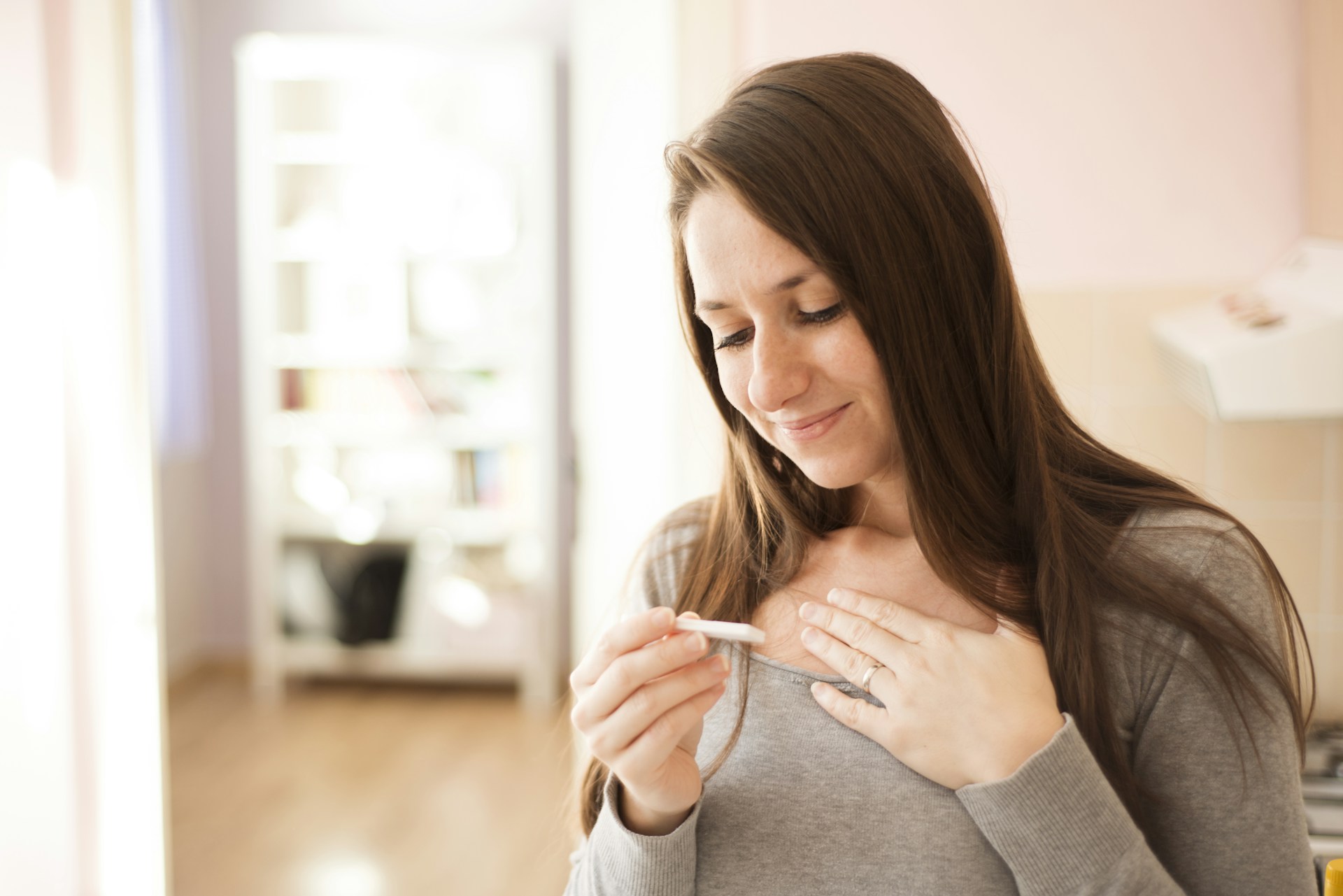
Woman holding multi-hormone ovulation test kit showing LH, estrogen, and progesterone measurements for PCOS cycle tracking
Published:
Feb 2, 2026
Est. Read Time:
0

Unpredictable cycles and irregular ovulation make ovulation tracking harder with PCOS. But there are ways to decode your cycle. Read on to find out how multi-hormone testing kits for daily use can help.

Hormones
Share to:

Unpredictable cycles and irregular ovulation make ovulation tracking harder with PCOS. But there are ways to decode your cycle. Read on to find out how multi-hormone testing kits for daily use can help.

With PCOS (polycystic ovary syndrome), your menstrual cycle and ovulation patterns can feel like an unsolvable puzzle. When traditional LH tests and ovulation predictor kits consistently fail to provide useful information, the discouragement can be overwhelming.

But just because these conventional tests can't grasp your unique cycle doesn't mean you're out of options.

Advanced fertility tools are specifically designed to understand the irregular ovulation patterns experienced by you and millions of other women with PCOS. What you need isn't a generic test, it's a sophisticated tool that measures multiple hormones, adapts to your irregular cycle, and meets you exactly where you are.

Here's how PCOS impacts your cycle, why LH tests don't work for PCOS ovulation tracking, and why daily multi-hormone testing kits provide the reliable answers you need.

Fast Facts on PCOS and Ovulation

  • 10% to 13% of women worldwide have PCOS (and many don’t know it!) [1]
  • It’s common to have irregular ovulation or even anovulatory cycles with PCOS, due to hormonal imbalances
  • LH tests can’t confirm whether you ovulated, and they don’t always predict ovulation reliably
  • If you have PCOS, LH tests likely can’t detect your LH levels with accuracy
  • For accurate and reliable ovulation tracking with PCOS, your best option is a multi-hormone tracking kit, used daily throughout your cycle

Understanding PCOS Ovulation Patterns and Challenges

PCOS is fundamentally a hormonal imbalance disorder, meaning your hormone levels differ significantly from typical patterns. People with PCOS characteristically have elevated levels of [2]:

  • Insulin (contributing to insulin resistance)
  • Testosterone and other androgens (male hormones)
  • Luteinizing hormone (LH) (elevated baseline, not just surge)

How PCOS Disrupts Your Cycle

Reproductive hormones work together in precise, delicate balance to regulate menstrual cycles and ovulation. When PCOS alters this balance, it creates cascading effects throughout your entire cycle.

If you have PCOS, hormonal imbalances cause:

Cycle irregularity: Cycle length and timing become unpredictable and highly variable. Your cycles might be shorter one month, longer the next, making it nearly impossible to know when your cycle will start or end, or when to expect your period.

Disrupted ovarian function: Your ovaries develop and release eggs in response to precise hormonal signals. PCOS interferes with these critical processes, impacting how your ovaries function from one cycle to the next, or preventing normal function entirely.

PCOS Ovulation Challenges

These cycle and ovarian disruptions create specific ovulation and fertility challenges:

Irregular ovulation: Unpredictable ovulation timing is one of the hallmark features of PCOS. You might ovulate on day 14 one cycle, day 25 the next, and day 40 the following month, or the pattern might be completely random.

Anovulatory cycles: PCOS can completely suppress ovulation, leading to anovulatory cycles, menstrual cycles where your ovaries never release an egg, making pregnancy impossible during that cycle.

Difficulty conceiving: Women with PCOS face greater challenges getting pregnant. The combination of unpredictable cycles, confusing ovulation patterns, and frequent anovulation makes identifying fertile windows significantly harder.

Longer time to conception: Even when ovulation occurs, the irregularity means fewer opportunities to time intercourse correctly, often extending the time needed to achieve pregnancy.

Why OPKs and LH Tests Fail for PCOS Ovulation Tracking

Many women use ovulation predictor kits (OPKs), also called ovulation tests or LH tests, to track fertility. Unfortunately, these single-hormone tests are particularly unreliable for women with PCOS.

How LH Tests Work

OPKs and LH tests measure LH levels in urine. A sudden rise in this hormone, called the “LH surge,” triggers ovulation, which typically occurs around 10 to 12 hours after LH hits its peak [3]. When these tests detect rising LH levels within a particular window of measurement, they tell you that you’re ovulating. 

Debunking the Ovulation “Predictor” Myth

Although these tests are often said to “predict” ovulation, that’s not quite accurate. OPKs can only tell you whether or not they detect LH, but detecting LH doesn’t necessarily mean that ovulation will follow (it usually does, but not always, and not for everyone).

In other words, these single-hormone tests can fall short as an ovulation tracking tool – even for women who don’t have PCOS. 

Why LH Tests Fail Women with PCOS

For people with PCOS, LH tests and OPKs become even less reliable and useful:

Too much guesswork for unpredictable cycles: OPKs require you to determine when to start testing. With irregular ovulation due to PCOS, it's nearly impossible to guess when you might ovulate or when to begin testing. You could easily miss your fertile window entirely or waste dozens of expensive test strips.

Elevated LH baseline skews results: Baseline LH levels are chronically elevated with PCOS, not just during the surge. An OPK can misinterpret your elevated baseline as a near-constant LH surge, producing positive results for days or weeks on end, making the data completely incomprehensible.

LH fluctuations cause false positives and negatives: OPKs struggle to interpret PCOS-related LH fluctuations. A temporary spike in already-elevated LH may be misread as "the" LH surge, telling you you're ovulating when you're not (false positive). Conversely, a random LH drop could make the test indicate you're far from ovulation even when you're about to ovulate (false negative).

Narrow measurement window misses PCOS hormone levels: If your PCOS hormone levels fall outside the narrow measurement range used by standard OPKs, the tests literally cannot detect your hormones at all, rendering them useless.

Can LH Tests and OPKs Confirm Ovulation?

No, LH tests and OPKs can’t confirm ovulation. Measuring LH alone doesn’t tell you whether or not you ovulated, because LH is only part of the hormone equation behind ovulation. 

So how do you confirm ovulation and successfully track your cycle with PCOS? Using quantitative multi-hormone test kits for daily cycle tracking.

Oova insight: OPKs can’t confirm ovulation for anyone, regardless of whether or not you have PCOS!

Why Daily Multi-Hormone Testing Works for PCOS Ovulation Tracking?

To decipher your cycle with PCOS, you need comprehensive understanding of your hormones, not just a single data point. Quantitative multi-hormone test kits represent the gold standard for reliable PCOS ovulation tracking.

Take the Oova multi-hormone fertility kit, for example. Oova measures your unique levels of LH, estrogen (measured using the metabolite E3G), and progesterone (measured using the metabolite PdG). 

All three of these hormones play integral roles in ovulation and fertility, so monitoring all of them at once is essential for everyone, but especially those with PCOS [3]: 

Estrogen gradually rises in the days before ovulation. Tracking estrogen helps you identify when your fertile window occurs (the timeframe each cycle when you can get pregnant).

LH typically rises right before ovulation (this rise may be more or less pronounced). Tracking LH captures the LH surge.

Progesterone rises after ovulation, when the follicle that released the egg begins producing progesterone. Tracking progesterone captures this rise (or lack thereof) to confirm whether or not you actually ovulated.

For more information on how Oova tracks your unique hormone levels, check out this complete guide to hormone measurements.

Why multi-hormone tracking?

When PCOS disrupts your reproductive system, fertility kits that measure estrogen, LH, and progesterone are crucial for understanding your cycle and ovulation. Only by looking at all three hormones together can you get valuable, actionable insight and build the full picture of your reproductive health. 

With multi-hormone fertility kits, you can accurately and reliably:

  • Track irregular ovulation with PCOS across multiple cycles
  • Pinpoint when ovulation occurs each specific cycle
  • Confirm you ovulated or identify anovulatory cycles when you didn't
  • Determine which days you're most fertile and take action on your fertility goals
  • Understand your unique hormonal patterns over time

Why daily tracking?

Daily testing is more informative for people with PCOS, compared to testing on certain cycle days only. With PCOS irregularity, tracking multiple hormones daily provides you with as much real-time, long-term, personalized data as possible.

When you use regular tracking to fill in confusing gaps in your cycle, your daily hormone data better enables you to:

  • Establish your unique hormone baseline, with robust data from multiple cycles.
  • Recognize your body’s unique PCOS ovulation patterns, so you can detect even the most subtle hormone signals and shifts driving ovulation. (Plus, Oova learns to recognize these patterns, too, and adapts to your baseline and cycle with increasing accuracy the longer you track!)
  • Take the guesswork out of PCOS ovulation tracking, since you don’t have to time your testing to ovulation (like with an OPK or LH test).
  • Accurately identify your fertile window each cycle, so you can time sex correctly to optimize your chances of conceiving with PCOS.
  • Catch late ovulation, something many women with PCOS experience.
  • Build a detailed, personalized picture of your cycle and ovulation over time, so you can monitor your health and loop in your doctor as needed.
  • Understand how your body and PCOS symptoms respond to any care strategies, lifestyle changes, and treatment methods you may try, so you and your doctor can better adapt your care to your needs.

Take Control of Your PCOS Fertility Journey

PCOS can make understanding your cycle and ovulation patterns feel impossibly complex, and traditional tools like OPKs and LH tests consistently fall short of your needs. But you don't have to navigate this journey in the dark.

Multi-hormone testing kits designed for daily use represent the most effective tools for cycle tracking and ovulation tracking with PCOS. Testing multiple key reproductive hormones simultaneously gives you the fullest picture of your cycle and reproductive function, while daily tracking expands your knowledge continuously.

When you're equipped with your unique hormone data, you can demystify your cycle, confirm when ovulation actually occurs, and take meaningful control of your reproductive health.

Ready to Understand Your PCOS Cycle?

Discover Oova's multi-hormone fertility kit, specifically designed to track irregular cycles and confirm ovulation, even with PCOS. Get personalized insights into your LH, estrogen, and progesterone levels with easy-to-use at-home testing.

Start Tracking Your Cycle

Stop guessing. Start knowing. With Oova, you get the comprehensive hormone data you need to navigate PCOS fertility with confidence.

Frequently Asked Questions

Can you track ovulation with PCOS?

Yes, but not with standard LH tests. Multi-hormone tracking that measures LH, estrogen, and progesterone together provides accurate ovulation tracking for PCOS by capturing your complete hormonal picture.

Why don't ovulation tests work with PCOS? 

PCOS causes chronically elevated LH levels, not just during ovulation. Standard ovulation tests misinterpret this elevated baseline as a constant LH surge, producing confusing or false positive results.

How do I know if I ovulated with PCOS? 

The only way to confirm ovulation is by tracking progesterone. Progesterone rises significantly only after ovulation occurs. Multi-hormone tests that measure progesterone can definitively confirm whether you ovulated.

Can you have PCOS and still ovulate regularly? 

Some women with PCOS ovulate regularly, but most experience irregular ovulation or anovulatory cycles. The pattern varies significantly between individuals and can change over time.

What's the best way to track PCOS cycles? 

Daily multi-hormone testing provides the most accurate PCOS cycle tracking. By measuring LH, estrogen, and progesterone every day, you capture your complete hormonal pattern regardless of when ovulation occurs.

Does PCOS mean I can't get pregnant? 

No. While PCOS can make conception more challenging due to irregular ovulation, many women with PCOS successfully conceive, especially with proper cycle tracking and medical support when needed.

About the author

Clara Siegmund
Clara Siegmund is a writer, editor, and translator (French to English) from Brooklyn, New York. She has a BA in English and French Studies from Wesleyan University and an MA in Translation from the Sorbonne. She is passionate about literature, reproductive justice, and using language to make information accessible.‍

Sources

  1. World Health Organization. (2026). Polycystic ovary syndrome. [https://www.who.int/news-room/fact-sheets/detail/polycystic-ovary-syndrome]
  2. National Health Service. (2022). Causes – Polycystic ovary syndrome. [https://www.nhs.uk/conditions/polycystic-ovary-syndrome-pcos/causes/]
  3. Reed BG & Carr BR. (2018). The Normal Menstrual Cycle and the Control of Ovulation. In: Feingold KR, et al, editors. Endotext. [https://www.ncbi.nlm.nih.gov/books/NBK279054/]
www.oova.life/blog/why-perimenopause-symptoms-come-and-go
Can tracking hormones help explain my perimenopause symptoms?
Yes, significantly. Symptom tracking alone tells you when you feel bad. Hormone tracking tells you why. Daily measurements of estrogen, progesterone, and LH alongside symptom logs reveal the correlation between hormone activity and how you feel. Over 4–8 weeks, most women identify clear patterns: which symptoms correspond to estrogen troughs, which correspond to low progesterone, and which are more influenced by sleep or stress. That pattern is actionable in a way that symptom memory alone never is.
www.oova.life/blog/why-perimenopause-symptoms-come-and-go
What makes perimenopause symptoms worse on some days?
Several compounding factors make symptoms worse on specific days: a sharp estrogen drop (which triggers hot flashes, low mood, and brain fog), inadequate progesterone (which worsens sleep and anxiety), poor sleep the night before (which elevates cortisol and amplifies everything), and lifestyle factors like alcohol, stress, or intense exercise. These factors often stack, which is why some days feel dramatically worse than others despite no obvious external trigger.
www.oova.life/blog/why-perimenopause-symptoms-come-and-go
Why are my perimenopause symptoms so unpredictable?
Unpredictability is a hallmark of the perimenopause transition precisely because the hormonal pattern isn't a smooth decline, it's volatile. Estrogen can be higher than your pre-perimenopause baseline one day and significantly lower the next. Progesterone, which normally buffers estrogen's effects, declines as ovulation becomes irregular. The combination produces an environment where small hormonal shifts can have disproportionately large symptom effects.
www.oova.life/blog/why-perimenopause-symptoms-come-and-go
Why do perimenopause symptoms come and go?
Perimenopause symptoms fluctuate because the underlying hormones, primarily estrogen, fluctuate. Unlike the gradual decline most people expect, estrogen during perimenopause surges and drops erratically, sometimes dramatically, within the same week. Each swing affects body temperature regulation, mood, sleep, and cognitive function simultaneously. The result is a cycle of "good days" and "bad days" that feels random but is driven by measurable hormonal activity.
www.oova.life/blog/standard-hormone-test-limitations
Can I use at-home hormone tests instead of blood tests?
At-home urine-based hormone testing measures the same hormones as blood tests (estradiol via E3G, LH, and progesterone via PdG) but does so daily rather than once. This makes it better suited for pattern detection, understanding your cycle, confirming ovulation, and connecting hormone levels to how you feel. For specific clinical decisions (IVF stimulation monitoring, ruling out pathology), blood testing ordered by a provider remains important.
www.oova.life/blog/standard-hormone-test-limitations
What does continuous hormone monitoring show that a blood test doesn't?
Daily hormone monitoring shows the pattern of hormone movement across your full cycle, how estrogen rises and falls, when and whether LH surges, how robustly progesterone rises after ovulation, and how long it stays elevated. This is the data that correlates with symptoms, confirms ovulation, and reveals cycle irregularities that a single blood draw misses entirely.
www.oova.life/blog/standard-hormone-test-limitations
What's the difference between AMH and FSH for fertility testing?
AMH measures ovarian reserve, egg quantity. FSH measures pituitary signaling, how hard your body is working to trigger ovulation. AMH is more stable across the cycle and gives a better long-term picture of reserve. FSH gives a snapshot of current ovarian responsiveness. Neither tells you whether you're ovulating, whether your cycle is hormonally healthy, or whether your luteal phase is adequate. See our full comparison at FSH vs. AMH vs. Estradiol.
www.oova.life/blog/standard-hormone-test-limitations
What does a day 3 FSH test actually tell you?
A day 3 FSH measures how hard your pituitary is working to stimulate your ovaries at the start of a cycle. Elevated FSH can suggest declining ovarian function. But FSH varies significantly cycle to cycle, especially in perimenopause, so a single normal result doesn't rule out hormonal changes, and a single elevated result doesn't confirm perimenopause. Pattern over time is what's diagnostically meaningful.
www.oova.life/blog/standard-hormone-test-limitations
Why do hormone blood tests come back normal when something feels wrong?
Standard hormone tests are single-point measurements taken at one moment in time. Female hormones fluctuate significantly across the cycle and from cycle to cycle, particularly estrogen, which can swing dramatically within a week. A blood draw taken on a "normal" day produces a normal result even if hormone levels crashed days before or will again shortly after. The test isn't inaccurate; it's structurally limited by its snapshot design.
https://www.oova.life/blog/opk-limitations
Why do I keep getting positive OPKs with PCOS?
PCOS is associated with chronically elevated LH levels and can cause multiple LH surges in a single cycle. This means OPK results in women with PCOS are frequently misleading, the test line may appear positive across much of your cycle without a true ovulatory surge occurring. See our full guide to confirming ovulation with PCOS for a more reliable approach.
https://www.oova.life/blog/opk-limitations
Is a positive OPK enough if I'm trying to conceive?
A positive OPK is a useful starting point for timing intercourse, but it's not sufficient to confirm that a viable cycle occurred. Adding progesterone tracking in the luteal phase tells you whether ovulation happened and whether your luteal phase is hormonally supportive of implantation.
https://www.oova.life/blog/opk-limitations
How long after a positive OPK does ovulation actually occur?
Ovulation typically occurs 24–36 hours after the LH surge begins, though the exact timing varies. The egg itself is only viable for 12–24 hours after release, which is why accurate surge detection matters so much for conception timing.
https://www.oova.life/blog/opk-limitations
What does progesterone look like after a positive OPK if ovulation happened?
If ovulation occurred, progesterone should begin rising within 24–48 hours of the LH peak and reach its highest levels approximately 5–10 days later (mid-luteal phase). A mid-luteal progesterone above 3 ng/mL is generally considered consistent with ovulation; above 10 ng/mL suggests a more robust response.
https://www.oova.life/blog/opk-limitations
Can I get a positive OPK and not ovulate?
Yes. A positive OPK confirms an LH surge, not ovulation itself. In anovulatory cycles, which are more common in women with PCOS, irregular cycles, or under high stress, LH can surge without an egg being released. The only hormone that confirms ovulation occurred is progesterone.
https://www.oova.life/blog/folliacular-phase
Can stress affect the follicular phase?
While stress alone does not cause infertility, psychological stress is one of several lifestyle factors that can impact fertility and overall reproductive health. Managing stress through relaxation techniques and moderate exercise may support a healthy follicular phase and improve your chances of conception.
https://www.oova.life/blog/folliacular-phase
What foods should I eat during the follicular phase to support fertility?
During the follicular phase, focus on iron-rich foods to compensate for blood loss during your period, including red meat, seafood, legumes, and green leafy vegetables. Lean proteins and complex carbohydrates like chicken, fish, brown rice, and quinoa can help support rising energy levels, while cruciferous vegetables such as broccoli and cauliflower can help balance increasing estrogen levels.
https://www.oova.life/blog/folliacular-phase
Does exercise during the follicular phase impact fertility?
Moderate physical activity can be beneficial for fertility, especially when coupled with healthy weight management. However, excessive exercise can negatively affect your reproductive system by creating an energy imbalance that may disrupt hormone production and lead to menstrual abnormalities. During the follicular phase, as your energy levels increase with rising estrogen, you may find yourself able to handle more intense workouts like cardio and strength training.
https://www.oova.life/blog/folliacular-phase
Can lifestyle factors affect my follicular phase length?
Yes, several lifestyle factors can influence follicular phase length. Research shows that women with a history of miscarriage tend to have shorter follicular phases, while lifestyle factors such as recent oral contraceptive use can lead to longer follicular phases. Maintaining a balanced diet rich in vegetables, antioxidants, and healthy fats, along with moderate exercise, can support healthy follicular development and overall reproductive health.
https://www.oova.life/blog/folliacular-phase
What is the difference between follicular phase and luteal phase?
The follicular phase starts on day 1 of your period and ends at ovulation, focusing on egg maturation and preparing for pregnancy. The luteal phase starts after ovulation and ends when your next period begins, focusing on supporting a potential pregnancy through progesterone production.
https://www.oova.life/blog/folliacular-phase
What happens if your follicular phase is too short?
A follicular phase shorter than 10 days may mean the egg didn't have enough time to fully mature, potentially making it harder to conceive. Short follicular phases can also be an early sign of perimenopause as egg quality and ovarian reserve decline.
https://www.oova.life/blog/folliacular-phase
Can you get pregnant during the follicular phase?
Yes, especially during the late follicular phase. Your fertile window includes the 5 days before ovulation and the day of ovulation itself—all of which fall within the follicular phase. This is the best time to have sex if you're trying to conceive.
https://www.oova.life/blog/folliacular-phase
What are the signs you're in the follicular phase?
Signs of the follicular phase include your period (early phase), increased energy levels, clearer skin, and rising basal body temperature. As you approach ovulation in the late follicular phase, you may notice clearer, stretchy cervical mucus and increased sex drive.
https://www.oova.life/blog/folliacular-phase
How long does the follicular phase last?
The follicular phase typically lasts 10-16 days, though this varies from person to person and cycle to cycle. The length depends on how long it takes for a follicle to mature into a ready-to-release egg. A 28-day cycle usually has a 14-day follicular phase.
https://www.oova.life/blog/folliacular-phase
What is the follicular phase of the menstrual cycle?
The follicular phase is the first half of your menstrual cycle, starting on day 1 of your period and ending when you ovulate. During this phase, follicle-stimulating hormone (FSH) triggers your ovaries to produce follicles, one egg matures, and your uterine lining thickens in preparation for pregnancy.
https://www.oova.life/blog/best-supplements-for-hormone-balance-during-perimenopause
Can I take multiple hormone balancing supplements together?
Many people safely combine supplements like vitamin D and magnesium, but it's essential to discuss any combination with your doctor. Some supplements may interact with each other or with medications, and your doctor can help you create a safe, effective regimen.
https://www.oova.life/blog/best-supplements-for-hormone-balance-during-perimenopause
Are there supplements I should avoid during perimenopause?
Some supplements can interact with medications or may not be safe for everyone. Always consult your healthcare provider before starting supplements, especially if you have existing health conditions, take medications, or have a history of hormone-sensitive conditions.
https://www.oova.life/blog/best-supplements-for-hormone-balance-during-perimenopause
How long does it take for supplements to balance hormones?
Most people notice changes within 4-12 weeks of consistent use, though individual results vary. Track your symptoms and hormone levels to monitor progress.
https://www.oova.life/blog/best-supplements-for-hormone-balance-during-perimenopause
Can supplements really balance hormones?
Research suggests certain supplements can support hormone regulation, though they work best as part of a comprehensive approach including lifestyle changes and medical care when needed. Always consult your doctor before starting supplements.
https://www.oova.life/blog/best-supplements-for-hormone-balance-during-perimenopause
What is the best supplement to balance female hormones?
Vitamin D and magnesium are two of the most effective supplements for overall hormone balance, supporting estrogen, progesterone, and cortisol regulation. For estrogen-specific support, red clover and ashwagandha show promising results.
www.oova.life/blog/perimenopause-bloating
What foods should I avoid to reduce perimenopause bloating?
The most common bloating triggers are: dairy (if lactose intolerant), gluten, beans and legumes, cruciferous vegetables (broccoli, cauliflower), onions and garlic, carbonated drinks, artificial sweeteners, high-fat fried foods, and processed foods high in sodium. However, trigger foods vary by individual. Keep a food diary to identify your personal triggers, and consider trying a low FODMAP elimination diet under medical guidance.
www.oova.life/blog/perimenopause-bloating
Can perimenopause bloating cause weight gain on the scale?
Bloating itself is primarily gas and fluid retention, which can cause temporary weight fluctuations of 2-5 pounds. However, the hormonal changes causing bloating also contribute to actual weight gain through slowed metabolism, increased belly fat storage, and reduced muscle mass. So while bloating doesn't directly cause fat gain, the underlying hormonal changes drive both bloating AND weight gain simultaneously.
www.oova.life/blog/perimenopause-bloating
Does drinking more water help with perimenopause bloating?
Yes! While it seems counterintuitive, drinking adequate water (8-10 glasses daily) actually helps reduce bloating. When you're dehydrated, your body holds onto water, causing fluid retention and bloating. Proper hydration helps flush excess sodium, prevents constipation, and supports healthy digestion. Just avoid drinking large amounts during meals, which can dilute digestive enzymes, drink water between meals instead.
www.oova.life/blog/perimenopause-bloating
Why do I look pregnant during perimenopause?
The combination of bloating, fluid retention, weight redistribution to the belly area, and potential visceral fat accumulation can create a "pregnant" appearance during perimenopause. This is incredibly common and is sometimes called "meno-belly" or "menopause belly." The appearance is usually most pronounced in the evening after a day of eating and fluid accumulation, and typically improves overnight.
www.oova.life/blog/perimenopause-bloating
Can perimenopause cause upper abdominal bloating?
Yes, perimenopause can cause bloating in both the upper and lower abdomen. Upper abdominal bloating (feeling full in your stomach area) is often related to slowed gastric emptying, when your stomach takes longer to empty food into your intestines. This is caused by hormone-related changes in digestive motility. Lower abdominal bloating is more commonly related to intestinal gas, constipation, and fluid retention.
www.oova.life/blog/perimenopause-bloating
Why is my stomach bloated all the time during perimenopause?
Constant bloating during perimenopause is usually due to hormonal fluctuations causing persistent slowed digestion, fluid retention, and gut microbiome changes. However, if bloating is truly constant (doesn't improve at all, even overnight or first thing in the morning), you should see your doctor to rule out other conditions like IBS, SIBO, food intolerances, or ovarian issues. Most perimenopause bloating comes and goes rather than being constant.
https://www.oova.life/blog/high-progesterone-symptoms
What causes high progesterone when not pregnant?
‍High progesterone when not pregnant can be caused by hormonal birth control, ovarian cysts (especially corpus luteum cysts), congenital adrenal hyperplasia (CAH), or hormone replacement therapy. Testing is needed to determine the cause.
https://www.oova.life/blog/high-progesterone-symptoms
Can high progesterone prevent pregnancy?
‍No, high progesterone doesn't prevent pregnancy, in fact, it's essential for maintaining pregnancy. However, if progesterone is abnormally high due to certain medical conditions, it may indicate underlying issues that could affect fertility.
https://www.oova.life/blog/high-progesterone-symptoms
How do you test progesterone levels?
Progesterone can be measured through blood tests at your doctor's office or at-home urine tests that measure PdG (a progesterone metabolite). Testing is typically done during the lProgesterone can be measured through a blood test at your doctor's office, which gives you a single-point reading, or through daily at-home urine testing that measures PdG, a progesterone metabolite. Oova's at-home hormone kit tracks your PdG levels daily throughout your cycle, so instead of one snapshot, you can see how your progesterone rises after ovulation, how long it stays elevated, and whether your levels follow a healthy pattern, then share that data directly with your provider.
https://www.oova.life/blog/high-progesterone-symptoms
When should I be concerned about high progesterone?
Consult a healthcare provider if you experience high progesterone symptoms outside your luteal phase when not pregnant, or if symptoms include severe pelvic pain, abnormal vaginal bleeding, or rapid weight gain while on hormone therapy.
https://www.oova.life/blog/high-progesterone-symptoms
Can high progesterone make you tired?
Yes. Progesterone has a natural sedating effect because it interacts with GABA receptors in the brain, the same receptors targeted by anti-anxiety and sleep medications. This is why many women feel noticeably more fatigued during the luteal phase (the two weeks after ovulation) and during early pregnancy, when progesterone is at its highest. The fatigue is a normal response to elevated progesterone, not a sign that something is wrong. However, if the exhaustion is severe enough to interfere with daily life, it's worth checking whether your levels are unusually high, especially if you're on hormone therapy or progesterone supplementation.
https://www.oova.life/blog/high-progesterone-symptoms
Can high progesterone cause weight gain?
Yes, elevated progesterone can cause temporary weight gain through water retention and bloating. This is a normal part of the luteal phase and early pregnancy.
https://www.oova.life/blog/high-progesterone-symptoms
Is high progesterone a sign of pregnancy?
Yes, high progesterone is one of the earliest indicators of pregnancy. Progesterone levels rise significantly after conception to support the developing embryo and reach their peak during the third trimester.
https://www.oova.life/blog/high-progesterone-symptoms
What are the symptoms of high progesterone?
High progesterone symptoms include fatigue, bloating, breast tenderness, weight gain, anxiety, depression, headaches, and food cravings. During pregnancy, you may also experience increased nipple sensitivity and muscle aches.
https://www.oova.life/blog/positive-opk-period-still-came
How often does this happen in women without PCOS?
Anovulation affects 10–20% of all cycles, even in women with regular periods and no fertility diagnosis. It's more common in cycles that are very short (under 21 days) or very long (over 35 days), and in times of stress or illness.
https://www.oova.life/blog/positive-opk-period-still-came
Should I stop using OPKs?
Not necessarily. OPKs are still useful for timing intercourse, the LH surge is the start of your fertile window, and sex during this time increases conception odds. Just don't assume an OPK positive is the same as confirmed ovulation.
https://www.oova.life/blog/positive-opk-period-still-came
My doctor said my progesterone was low at 7 DPO. Does that mean I didn't ovulate?
Possibly. Progesterone below 3 ng/mL at 7 DPO usually indicates anovulation. But if your level is 3–8 ng/mL, you may have ovulated with a weak corpus luteum, not enough progesterone to sustain pregnancy. Both scenarios need further investigation.
https://www.oova.life/blog/positive-opk-period-still-came
Can I tell if I ovulated just by how I feel?
Not reliably. Some women notice ovulation pain (mittleschmerz), changes in cervical mucus, or changes in mood, but these aren't consistent or unique to ovulation. Only hormone data or BBT confirms it.
https://www.oova.life/blog/positive-opk-period-still-came
If I get a positive OPK, is there any chance I'm not actually ovulating?
Yes. Studies show that 20–40% of LH surges may not result in ovulation. The probability varies by cycle regularity, hormonal health, and underlying conditions like PCOS. A positive OPK is a green light to have sex, but it's not a guarantee.
https://www.oova.life/blog/why-hormones-look-normal-but-feel-terrible
Can daily hormone tracking tell me if my HRT is working?
Yes. Daily tracking measures whether your estradiol and progesterone are reaching therapeutic levels, and whether levels are stable or fluctuating in ways that might explain ongoing symptoms. This is particularly useful for identifying HRT dose issues early, rather than waiting months for a clinical follow-up.
https://www.oova.life/blog/why-hormones-look-normal-but-feel-terrible
Why do my hormones fluctuate so much during perimenopause?
During perimenopause, the communication between the brain and the ovaries becomes less predictable. The ovaries don't respond as consistently to FSH signals, causing estrogen to spike and drop erratically before its overall decline. This variability, not steady decline, is what drives the unpredictability of perimenopause symptoms.
https://www.oova.life/blog/why-hormones-look-normal-but-feel-terrible
What should I do if my hormone test is normal but I still have symptoms?
Request a longer-term evaluation rather than a single-point test. Ask your provider specifically about perimenopause staging per STRAW+10 criteria. Consider at-home daily hormone tracking to document your patterns over several cycles. Arriving with longitudinal data gives your provider something concrete to work with, and makes dismissal much harder.
https://www.oova.life/blog/why-hormones-look-normal-but-feel-terrible
What blood tests are most accurate for perimenopause?
FSH and estradiol are the most commonly ordered tests, but neither is definitive on its own. The STRAW+10 framework uses a combination of cycle changes, FSH levels, and time criteria to stage perimenopause. No single blood test reliably diagnoses perimenopause, which is why tracking hormones over time is clinically more informative. For a full comparison of tests, see FSH vs. AMH vs. estradiol for perimenopause.
https://www.oova.life/blog/why-hormones-look-normal-but-feel-terrible
Can perimenopause hormones come back normal on a blood test?
Yes, and this is extremely common. Because perimenopause is defined by hormonal fluctuation rather than consistently low levels (especially in early stages), a blood test drawn on a hormonally "stable" day will often fall within normal reference ranges. This does not mean your hormones are balanced or that perimenopause isn't occurring.
www.oova.life/blog/how-long-does-ovulation-last
Can you ovulate for more than 24 hours?
‍No. Once the egg is released, it remains viable for a maximum of 24 hours. If it isn't fertilized in that time, it disintegrates. However, your fertile window extends well beyond that single day because sperm can survive up to 5 days waiting for the egg.
www.oova.life/blog/how-long-does-ovulation-last
Can you feel ovulation happening?
‍Some women feel mild cramping or a twinge on one side of the lower abdomen around ovulation, sometimes called mittelschmerz. Other signs include changes in cervical mucus and a slight increase in sex drive. But many women don't feel anything at all, which is why hormone tracking is more reliable than symptoms alone.
www.oova.life/blog/how-long-does-ovulation-last
How long after ovulation can you get pregnant?
‍You can get pregnant from sex that happened up to 5 days before ovulation, since sperm survive that long in the reproductive tract. After ovulation, the egg is only viable for 12–24 hours. So realistically, your window closes about a day after you ovulate.
www.oova.life/blog/how-long-does-ovulation-last
How do I know when ovulation is over?
‍The most reliable sign that ovulation has passed is a sustained rise in progesterone, which typically begins 1–2 days after the egg is released. A rise in basal body temperature can also indicate ovulation has occurred, though this only confirms it after the fact. Tracking hormones like LH and progesterone daily gives you the clearest picture.
www.oova.life/blog/perimenopause-spotting
How do I know if it's perimenopause spotting or something else?
The key indicators of normal perimenopause spotting are: it's light (panty liner only), occurs occasionally between periods, is light pink, red, or brown in color, and you're in the typical age range for perimenopause (late 30s to early 50s). It's likely something else if the bleeding is heavy, occurs after sex every time, comes with severe pain, has a foul odor, or you've gone 12+ months without a period (meaning you're postmenopausal). When in doubt, track your symptoms and discuss them with your doctor.
www.oova.life/blog/perimenopause-spotting
Can perimenopause spotting be pink?
Yes, pink spotting during perimenopause is completely normal. Pink spotting occurs when a small amount of blood mixes with cervical fluid or discharge. This is especially common during ovulation spotting or when hormone levels cause light, irregular shedding of the uterine lining. Pink discharge or spotting is generally nothing to worry about as long as it's light, occasional, and not accompanied by pain, itching, or an unusual odor.
www.oova.life/blog/perimenopause-spotting
Can HRT cause spotting during perimenopause?
Yes, spotting is common when you first start HRT or when your dose changes. Your body needs time to adjust to the new hormone levels, and some irregular bleeding during the first 3 to 6 months is typical. If spotting continues beyond that, or gets heavier, your dose may need adjusting, which is where tracking your hormone levels can help you and your doctor determine whether your current regimen is working or needs to be fine-tuned.
www.oova.life/blog/perimenopause-spotting
Does perimenopause spotting mean menopause is close?
Not necessarily. Perimenopause can last anywhere from 4 to 10 years before you reach menopause (defined as 12 months without a period). Spotting can occur at any point during perimenopause, early, middle, or late stages. While spotting is common throughout the entire perimenopause transition, the frequency and pattern of your cycles matter more for predicting menopause timing. If your periods are becoming less frequent and you're going 60+ days between cycles, you may be in late perimenopause.
www.oova.life/blog/perimenopause-spotting
When should I worry about perimenopause spotting?
You should see your doctor about perimenopause spotting if you experience: heavy bleeding that soaks through multiple pads or tampons per day, spotting or bleeding that lasts 3+ weeks continuously, periods or spotting occurring every 2 weeks or more frequently, regular bleeding after sex, or consistent spotting between periods nearly every cycle. These patterns could indicate conditions like fibroids, polyps, endometrial hyperplasia, or other issues that need medical evaluation.
www.oova.life/blog/perimenopause-spotting
Can I still get pregnant if I'm having perimenopause spotting?
Yes, you can still get pregnant during perimenopause, even if you're experiencing spotting and irregular cycles. As long as you're still having periods (even irregular ones) and ovulating occasionally, pregnancy is possible. If you're sexually active and not planning to conceive, continue using birth control until you've gone 12 full months without a period (which confirms you've reached menopause). If you're concerned your spotting could be implantation bleeding, take a pregnancy test.
www.oova.life/blog/perimenopause-spotting
Is spotting normal at the beginning of perimenopause?
Yes, spotting is often one of the earliest signs of perimenopause and can begin in your late 30s or early 40s. In fact, irregular cycles and spotting between periods are among the first noticeable changes many women experience as their hormones begin to shift. If you're in your late 30s or 40s and suddenly noticing mid-cycle spotting when you never had it before, it could be an early indicator that you're entering perimenopause.
www.oova.life/blog/perimenopause-spotting
What's the difference between perimenopause spotting and a period?
Perimenopause spotting is light bleeding that requires only a panty liner, appears as faint stains on underwear, or is only noticeable when wiping. A period, even a light one, typically requires pads or tampons, lasts 3-7 days, and involves more consistent flow. If you're unsure whether you're experiencing spotting or a light period, consider the amount: spotting is usually less than a tablespoon of blood total, while even a light period involves several tablespoons over multiple days.
www.oova.life/blog/perimenopause-spotting
Can stress cause spotting in perimenopause?
While stress doesn't directly cause perimenopause spotting, it can worsen hormone fluctuations that lead to spotting. Chronic stress affects your cortisol levels, which can interfere with estrogen and progesterone balance, the same hormones responsible for regulating your cycle. If you notice more frequent spotting during particularly stressful times, managing stress through exercise, sleep, meditation, or therapy may help stabilize your cycles and reduce spotting episodes.
www.oova.life/blog/perimenopause-spotting
Is spotting every day during perimenopause normal?
No, daily spotting isn't typical during perimenopause. While occasional spotting between periods is common, experiencing spotting consistently every day could indicate a hormonal imbalance or another health condition that needs medical attention. If you've been spotting daily for more than a week, or if the spotting is getting heavier, schedule an appointment with your doctor to rule out conditions like polyps, fibroids, or thyroid issues.
www.oova.life/blog/perimenopause-spotting
What color is perimenopause spotting?
Perimenopause spotting is usually light pink or light red in color. You may also see brown spotting, which is simply older blood that's taking longer to exit your body. Brown spotting during perimenopause is also generally normal. However, if you notice gray discharge, bright red heavy bleeding, or spotting with an unusual odor, contact your doctor as these could be signs of infection or other conditions.
www.oova.life/blog/perimenopause-spotting
Can you have brown spotting during perimenopause?
Yes, brown spotting is very common during perimenopause and is usually normal. The brown color means the blood is older and has oxidized before leaving your body. This often happens when hormone fluctuations cause your uterine lining to shed slowly or irregularly. As long as the brown spotting is light, occasional, and not accompanied by pain, foul odor, or other concerning symptoms, it's typically just another variation of normal perimenopause spotting.
www.oova.life/blog/perimenopause-spotting
How long does perimenopause spotting last?
Normal perimenopause spotting typically lasts 1-3 days and occurs occasionally between periods. The spotting should be light enough to manage with a panty liner. However, if you experience spotting that lasts for 3 weeks or longer, or if it happens every single cycle, this warrants a conversation with your healthcare provider to ensure there isn't an underlying condition that needs treatment.
www.oova.life/blog/ovulation
How long should I try to conceive before seeing a doctor?
If you're under 35, healthcare providers typically recommend seeking medical evaluation after 12 months of regular unprotected intercourse without conception. However, if you're 35 or older, it's advisable to consult a fertility specialist after just six months of trying, since fertility declines more rapidly in the mid to late 30s. If you have irregular cycles, a history of miscarriages, known reproductive health conditions like PCOS or endometriosis, or other concerning symptoms, you may want to see a specialist sooner.
www.oova.life/blog/ovulation
Can you get pregnant when you're not ovulating?
No, you cannot get pregnant without ovulation because there's no egg available for fertilization. However, you can get pregnant from sex that happens before ovulation since sperm can survive up to 5 days waiting for the egg to be released.
www.oova.life/blog/ovulation
What affects my chances of getting pregnant each cycle?
For couples with no fertility issues, the overall rate of conception in any given month is about 25%. Nearly 80% of couples become pregnant within the first six months of trying. The highest pregnancy rates occur when couples have intercourse during the one to two days immediately before ovulation, within the six-day fertile window that ends on ovulation day. Beyond timing, factors like age, overall health, lifestyle choices, and underlying reproductive conditions can all influence your monthly conception chances.
www.oova.life/blog/ovulation
What happens if you don't ovulate?
Not ovulating (called an anovulatory cycle) means you cannot get pregnant that month. Occasional anovulatory cycles are normal, but frequent lack of ovulation may indicate conditions like PCOS, thyroid issues, or perimenopause, and should be discussed with a healthcare provider.
www.oova.life/blog/ovulation
Can you ovulate without a period?
Yes. Ovulation and menstruation are related but not dependent on each other. You can ovulate without getting a period afterward,this is common during breastfeeding, in the months after stopping hormonal birth control, and during perimenopause. It's also possible to have a period without ovulating (called an anovulatory cycle), where your body sheds the uterine lining even though no egg was released. If you're trying to conceive, this is why tracking hormones like LH and progesterone is more reliable than relying on your period alone to confirm that ovulation happened.elf lasts only 12-24 hours the time the egg remains viable after being released. However, your fertile window is about 6 days long (5 days before ovulation plus ovulation day) because sperm can survive in the reproductive tract for up to 5 days.
www.oova.life/blog/ovulation
When does ovulation occur in your cycle?
Ovulation typically occurs around the middle of your menstrual cycle. In a 28-day cycle, this is usually day 14. However, cycle length variesovulation can happen anywhere from day 11 to day 21 depending on your unique cycle length and hormone patterns.
www.oova.life/blog/ovulation
How do you know if you're ovulating?
Signs of ovulation include clear, stretchy "egg-white" cervical mucus, mild pelvic cramping, breast tenderness, increased sex drive, and a slight rise in basal body temperature. The most accurate way to confirm ovulation is tracking hormone levels, specifically the LH surge followed by rising progesterone.
www.oova.life/blog/ovulation
Can I ovulate more than once in a cycle?
While you can't ovulate on separate days within the same cycle, your body can release multiple eggs at the same time during a single ovulation event, a phenomenon called hyperovulation. When this occurs, both eggs are released within a 24-hour window on ovulation day. Hyperovulation can result in fraternal twins if both eggs are fertilized by different sperm. Factors like age over 35, genetics, and recent discontinuation of hormonal birth control can increase the likelihood of hyperovulation.
www.oova.life/blog/ovulation
What is ovulation in simple terms?
Ovulation is when your ovary releases a mature egg each month. The egg travels down the fallopian tube and can be fertilized by sperm for 12-24 hours. If fertilized, it becomes a pregnancy. If not, it disintegrates and you get your period about 2 weeks later.
www.oova.life/blog/spotting-before-period
When should I be worried about spotting before my period?
Most spotting is harmless, but contact your doctor if you experience heavy spotting similar to full bleeding, spotting every cycle or almost every cycle, spotting accompanied by pelvic pain, fatigue, or dizziness, or spotting alongside other signs of a hormonal imbalance. Spotting can occasionally signal an underlying condition like PCOS, thyroid disorders, fibroids, or infections, so persistent or unusual spotting is worth investigating.
www.oova.life/blog/spotting-before-period
Is spotting before your period a sign of pregnancy?
It can be. Light spotting 10 to 14 days after ovulation is sometimes implantation bleeding, which happens when a fertilized egg attaches to the uterine lining. About 15% to 25% of people experience it. Implantation bleeding is usually pink or brown, lighter than a period, and only lasts a day or two. If your period doesn't arrive a few days later, consider taking a pregnancy test.
www.oova.life/blog/spotting-before-period
How can I tell the difference between spotting and a period?
Spotting is light enough that a panty liner is usually all you need, it tends to be pink or brown rather than red, doesn't fill a pad or tampon, and often only lasts a day or two. A period is heavier, redder, lasts several days, and typically comes with cramping. If you're seeing bright red bleeding that soaks through a liner, that's more likely a period starting early than spotting.
www.oova.life/blog/spotting-before-period
Is spotting before your period normal in perimenopause?
Yes, spotting is one of the most common early signs of perimenopause. As estrogen and progesterone start fluctuating unpredictably, your uterine lining can shed irregularly, causing spotting between periods. You may also experience spotting after sex due to vaginal atrophy, another hormone-driven perimenopause symptom. If spotting is heavy, frequent, or accompanied by other concerning symptoms, talk to your doctor.
www.oova.life/blog/why-is-my-period-late-but-my-pregnancy-test-is-negative
Can stress really delay your period?
‍Absolutely. Stress affects the hypothalamus, which regulates hormones controlling your menstrual cycle. Significant stress can delay ovulation and therefore your period.
www.oova.life/blog/why-is-my-period-late-but-my-pregnancy-test-is-negative
How long can your period be late without being pregnant?
‍Periods can be late for various reasons unrelated to pregnancy. If you're not pregnant, a period can be delayed by several days to weeks due to stress, illness, or hormonal changes. However, if your period is more than a week late and tests remain negative, consult your doctor.
www.oova.life/blog/why-is-my-period-late-but-my-pregnancy-test-is-negative
What should I do if my period is 2 weeks late but the test is negative?
‍Take another test. If it's still negative and your period doesn't arrive, schedule an appointment with your healthcare provider to investigate potential causes.
www.oova.life/blog/why-is-my-period-late-but-my-pregnancy-test-is-negative
Can you be pregnant with a negative test?
‍Yes, especially if you test too early. Wait until at least a few days after your missed period and retest. HCG levels need time to rise to detectable levels.
https://www.oova.life/blog/perimenopause-anxiety-or-disorder
What's the difference between perimenopause anxiety and PMDD?
PMDD (premenstrual dysphoric disorder) involves severe mood symptoms in the 1–2 weeks before your period, resolving when your period starts. Perimenopausal anxiety can be more continuous and less predictably tied to the luteal phase, particularly as cycles become irregular. Some women who previously had PMDD find that symptoms intensify and shift during perimenopause as hormone fluctuations become less predictable.
https://www.oova.life/blog/perimenopause-anxiety-or-disorder
My doctor says my hormones are normal. Can I still be in perimenopause?
Yes. Hormone levels fluctuate dramatically during perimenopause and a single blood test often misses the pattern. It's entirely possible to have a normal FSH result while experiencing significant perimenopausal symptoms. Symptom tracking alongside hormone testing gives a more complete picture.
https://www.oova.life/blog/perimenopause-anxiety-or-disorder
Will HRT help my anxiety?
For women whose anxiety is driven by hormonal fluctuation, hormone therapy can be significantly effective, particularly for estrogen-related mood instability. The evidence is strongest for women in early perimenopause. It's less likely to resolve a primary anxiety disorder on its own, which is why accurate diagnosis matters. Read more about how to know if your HRT dose is working.
https://www.oova.life/blog/perimenopause-anxiety-or-disorder
How do I know if my anxiety is hormonal?
The clearest signals are: new onset in your 40s with no prior history, cyclical timing (worse around your period or after night sweats), and co-occurrence with other perimenopause symptoms like brain fog, irregular periods, or sleep disruption. Tracking symptoms over 6–8 weeks against your cycle will give you, and your doctor, meaningful data.
https://www.oova.life/blog/perimenopause-anxiety-or-disorder
Can perimenopause cause panic attacks?
Yes. The same GABA and serotonin disruptions that produce generalized anxiety can also trigger panic attacks, sudden, intense episodes of physical fear with a racing heart, shortness of breath, or a sense of dread. If you're experiencing panic attacks for the first time in your 40s, perimenopause is a clinically plausible explanation that warrants investigation.
https://www.oova.life/blog/hormone-mood-tracking
What if I notice a pattern but my doctor dismisses it?
Ask for a referral to a certified menopause practitioner (NAMS-certified) or a reproductive psychiatrist. Bring your data in chart form. You can also frame it as: "I'm not asking for a diagnosis, I'm asking you to help me interpret this pattern." Quantitative data changes the conversation.
https://www.oova.life/blog/hormone-mood-tracking
I've already been diagnosed with an anxiety disorder. Should I still track?
Absolutely, and arguably more so. Hormone mood tracking can help distinguish which of your anxiety symptoms have a hormonal driver and which don't, and on which days hormonal support might reduce the burden on your existing anxiety management tools. The relationship between perimenopause and anxiety disorders is complex, and the two frequently coexist. Understanding your hormonal contribution helps your treatment team work with the full picture.
https://www.oova.life/blog/hormone-mood-tracking
My cycles are irregular. Can I still track?
Yes, and irregular cycles are themselves a data point. Track by date rather than cycle day, and note when your period arrives retroactively. Over time, even irregular data shows hormonal patterns. Erratic estrogen fluctuations are particularly visible in daily urine-based hormone testing.
https://www.oova.life/blog/hormone-mood-tracking
Can I track mood without tracking hormones and still find patterns?
Yes, but with limitations. Cycle-day mood tracking, recording your mood against where you are in your cycle, can reveal PMS patterns without hormone data. The limitation is that in perimenopause, cycle length becomes unpredictable, and the hormone fluctuations that drive mood shifts don't always align neatly with cycle day. Quantitative hormone data closes that gap.
https://www.oova.life/blog/hormone-mood-tracking
How many weeks of data do I need before tracking is useful?
Four weeks gives you a starting point, but 8 weeks produces a more reliable pattern, especially in perimenopause, where cycles are irregular and a single cycle may not be representative. The more data you have, the more confident you can be in what you're seeing.
https://www.oova.life/blog/irregular-menstrual-cycle-hormonal-variability
How is Oova different from a standard ovulation predictor kit?
tandard OPKs detect the presence of an LH surge but cannot confirm whether ovulation was completed or whether progesterone rose adequately afterward. Oova measures LH, estrogen (E3G), and progesterone (PdG) quantitatively across your cycle, providing biochemical confirmation of ovulation and luteal phase adequacy over time.
https://www.oova.life/blog/irregular-menstrual-cycle-hormonal-variability
How do I know if my irregular cycles are related to perimenopause?
Perimenopause can begin years before your last period, often in the late 30s or 40s, and standard hormone tests frequently appear normal during this transition. Cycle-to-cycle changes in ovulation patterns and luteal progesterone are often among the earliest signs. If your cycles have changed and your labs are "normal," longitudinal monitoring may reveal what a single test cannot.
https://www.oova.life/blog/irregular-menstrual-cycle-hormonal-variability
What is a luteal phase defect?
A luteal phase defect refers to insufficient progesterone production in the second half of your cycle, after ovulation. It can cause symptoms like premenstrual spotting, a shortened cycle, low mood, and poor sleep, and is frequently missed by single-timepoint blood testing.

About the Oova Blog:
Our content is developed with a commitment to high editorial standards and reliability. We prioritize referencing reputable sources and sharing where our insights come from. The Oova Blog is intended for informational purposes only and is never a substitute for professional medical advice. Always consult a healthcare provider before making any health decisions.