Preserving muscle mass is crucial during perimenopause, when muscle loss naturally speeds up. A combination of strength training, endurance training, and adequate protein intake is key to promoting muscle health and keeping your body strong. Read on for 24 exercise ideas and 14 great sources of protein during perimenopause.

Preserving muscle mass is crucial during perimenopause, when muscle loss naturally speeds up. A combination of strength training, endurance training, and adequate protein intake is key to promoting muscle health and keeping your body strong. Read on for 24 exercise ideas and 14 great sources of protein during perimenopause.
Do your muscles feel weaker? Do workouts feel harder? If this sounds familiar, it’s not in your head.
As you undergo perimenopause, or the biological shift that brings you out of your reproductive years and into menopause, the very makeup of your body changes. That includes the composition of your muscular and skeletal system.
Muscle loss is a natural part of aging, and for women, muscle loss increases significantly with the onset of perimenopause. While these changes are inevitable, adapting your exercise routine and ensuring that your diet fits your current needs will enable you to support your health and keep your body as strong as possible.
Quick Answer: Can You Prevent Muscle Loss in Perimenopause?
Yes, you can significantly slow and even reverse perimenopause muscle loss through targeted strength training and adequate protein intake. The key is consuming 1.2 grams of protein per kilogram of body weight daily (about 0.5 grams per pound) combined with resistance training 2-3 times per week. This approach helps counteract the accelerated sarcopenia that occurs when estrogen declines, allowing you to maintain and build muscle even during the menopause transition.
Here's everything you need to know about how to preserve, and even build, muscle mass during perimenopause. Hint: strength training, endurance training, protein intake, and proper timing are all part of the solution. Read on to learn more.
Key Takeaways on Muscle in Perimenopause
- Adults aged 50 and over lose 5% to 10% of muscle mass per decade
- For women, muscle loss (sarcopenia) accelerates during perimenopause due to declining estrogen
- Adapting your exercise routine and diet are key ways to combat perimenopause sarcopenia, build muscle, and strengthen your body
- For optimal results, combine strength training (2-3x weekly) with endurance training
- Protein timing matters: distribute intake evenly across meals for maximum muscle protein synthesis
- Aim for about 1.2 grams of protein per kilogram of body weight each day (approximately 0.5 grams per pound)
What Happens To Muscle Mass During Perimenopause?
As we get older, muscle mass decreases. That’s simply a natural part of aging. In fact, by the numbers [1]:
- Adults aged 30 to 50: lose around 3% to 8% of muscle mass per decade
- Adults aged 50 and older: lose around 5% to 10% of muscle mass per decade
For women, perimenopause throws another wrench into the muscle mix. During perimenopause, your body undergoes profound physical changes, that's a natural part of aging, too.
The Biology Behind Perimenopause Muscle Loss
Perimenopause muscle loss: Perimenopause-driven changes impact your body composition, including your muscles and skeletal system. Muscle loss (also called sarcopenia) speeds up all of a sudden, and muscle strength and muscle function both decrease. At the same time, body fat increases [2].
Why this happens: Declining estrogen levels are the primary driver. Estrogen plays a crucial role in maintaining muscle mass by supporting muscle protein synthesis and reducing inflammation. When estrogen drops during perimenopause, your muscles become less responsive to the signals that typically trigger growth and repair.
What perimenopause muscle loss means for you: In other words, during perimenopause, you naturally:
- Lose muscle mass at an accelerated rate
- Experience weaker muscles and reduced strength
- Find that muscles recover more slowly after exercise
- Begin to gain weight, particularly in the belly area
- Notice decreased bone density alongside muscle los
As a result, exercising may feel harder and more taxing. What's more, building new muscle becomes biologically more difficult, because your body doesn't respond to muscle building in the same way anymore. Your muscles require more stimulus (heavier weights, more protein) to achieve the same growth response.
What To Do About Perimenopause Muscle Loss
Muscle changes, muscle loss, and other physical changes are normal and inevitable parts of perimenopause. Still, certain exercise routines and dietary habits can help you support your changing body and muscles, so you can feel your best and stay your strongest as you get older.
The good news: While you can't completely stop perimenopause sarcopenia, research shows you can significantly slow it down and even build new muscle with the right approach.
Why Preserving Muscle Mass in Perimenopause Matters
Maintaining muscle during perimenopause isn't just about aesthetics or strength, it has far-reaching health implications:
Metabolic health: Muscle tissue burns more calories at rest than fat tissue. Preserving muscle helps maintain your metabolism and prevent perimenopause weight gain.
Bone density: Strength training that builds muscle also strengthens bones, reducing osteoporosis risk.
Functional independence: Strong muscles enable you to maintain mobility, balance, and independence as you age.
Blood sugar control: Muscle tissue helps regulate blood glucose levels, reducing type 2 diabetes risk.
Mental health: Regular strength training improves mood, reduces anxiety and depression, and boosts cognitive function.
24 Exercises To Preserve Muscle Mass During Perimenopause
So how exactly can you maintain muscle mass and even work toward building new muscle during perimenopause? Supporting your body means adapting your workouts to better meet your new needs and abilities, all while continuing to do movements that you enjoy and that makes you happy. Here's how.
Key Exercise Takeaways
- For best results when combating perimenopause muscle loss, combine strength training and endurance training
- Aim to work out for around 2 hours and 30 minutes each week (150 minutes total)
- Prioritize strength training: 2-3 sessions per week with at least 48 hours rest between sessions targeting the same muscle groups
- Consistency is key, but so is realistic training: find what works best for you, then do what you can, when you can
- Progressive overload matters: gradually increase weight, reps, or sets over time
- Forming a group of workout buddies or joining fitness classes are great ways to maintain motivation while having fun
Strength Training For Maintaining Perimenopause Muscle Mass
The research shows that strength training is the most effective way to [3,1]:
- Combat perimenopause muscle loss
- Strengthen muscles and improve muscle function
- Increase bone density
- Boost metabolism and support weight management
What Is Strength Training?
Strength training, also called resistance training and weight training, includes any and all exercises in which your muscles work against some form of resistance, whether that be from weights, resistance bands, or your own body weight.
Your Optimal Strength Training Schedule
What to do and how often: To best counteract perimenopause muscle loss and maintain muscle mass, aim for two to three weekly strength training sessions focused on muscles in both the upper and lower body [3].
Here's a suggested progression:
Beginner (Weeks 1-4):
- Two 30-minute sessions per week
- 8 to 10 exercises per session
- 1 set of 8 to 12 reps per exercise
- Rest 60-90 seconds between sets
- Use lighter weights to master form
Intermediate (Weeks 5-12):
- Two to three 40-minute sessions per week
- 8 to 10 exercises per session
- 2-3 sets of 8 to 12 reps per exercise
- Rest 60 seconds between sets
- Gradually increase weight when 12 reps feels easy
Advanced (Week 13+):
- Three 45-minute sessions per week
- 10 to 12 exercises per session
- 3-4 sets of 6 to 12 reps per exercise
- Rest 45-60 seconds between sets
- Challenge yourself with heavier weights and varied exercises
There are a few great ways to incorporate strength training into your workouts, including body weight, resistance band, and free weight exercises. Read: How to Lose Weight During Perimenopause: Your Complete Guide
Body Weight Exercises (No Equipment Needed)
With body weight exercises, you use the weight of your own body to create resistance for your muscles to work against:
- Knee push-ups (Progress to full push-ups)
- Squats and wall squats
- Heel touches
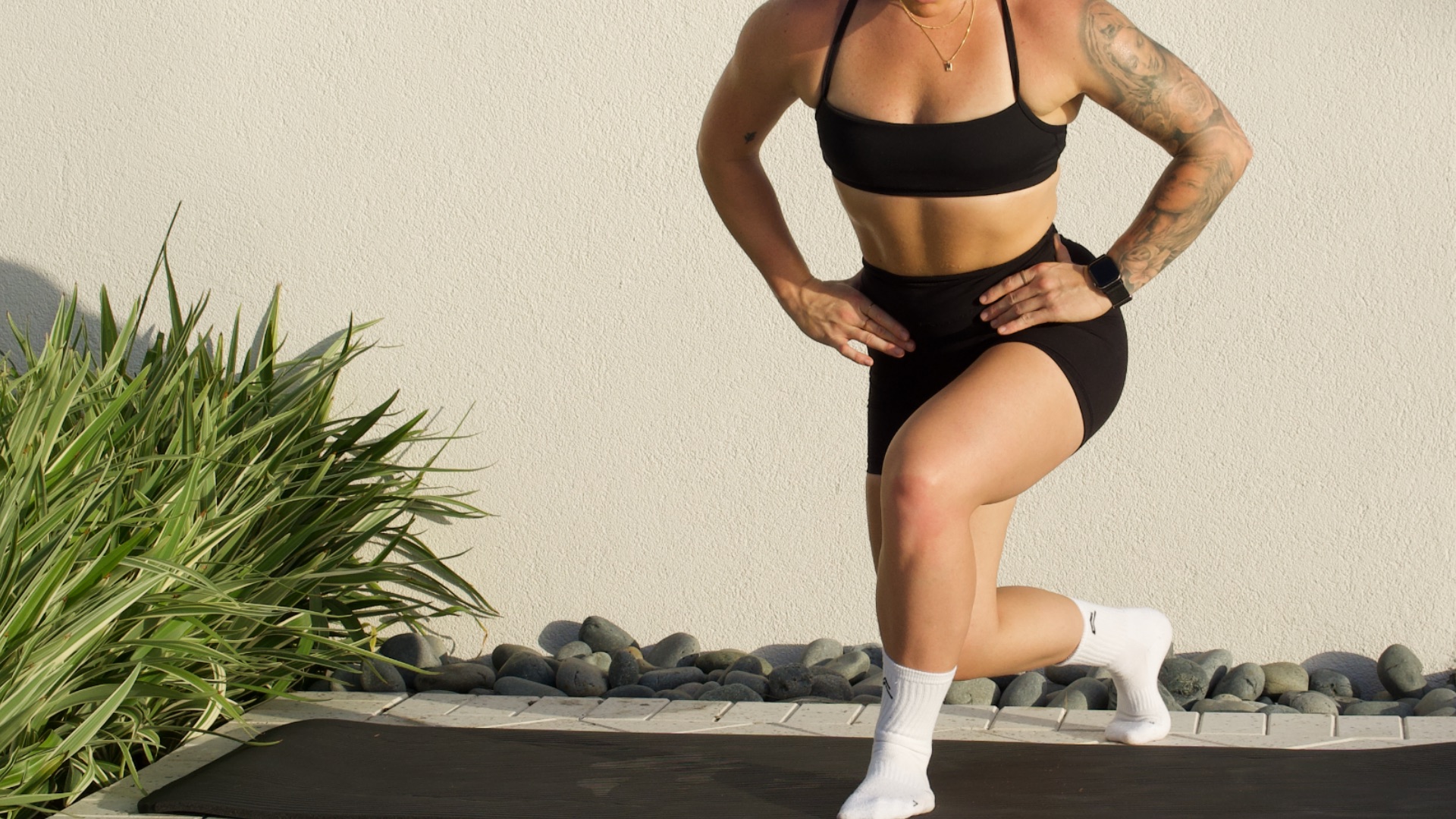
- Lunges (forward, reverse, and lateral)
- Step-ups (using stairs or a sturdy box)
- Plank holds (start with 20-30 seconds)
- Glute bridges
- Tricep dips (using a chair)
Resistance Band Exercises (Portable & Affordable)
With resistance band exercises, you pull stretchy elastic bands to create resistance:
- Bicep curls
- Overhead presses
- Banded squats
- Leg raises (side and back)
- Banded glute bridges
- Seated rows
- Chest presses
- Lateral walks
Free Weight Exercises (Dumbbells, Kettlebells, Medicine Balls)
With free weight exercises, you use dumbbells, kettlebells, a medicine ball, or any other kind of hand-held weight to create resistance:
- Bicep curls
- Lateral arm raises
- Frontal arm raises
- Weighted squats
- Deadlifts (start light to learn form)
- Shoulder presses
- Chest presses
- Bent-over rows
Getting started tip: Some people find it helpful to join a gym or work with a trainer, especially when starting out, in order to build an exercise routine and learn how to correctly perform movements to avoid injury. But it's also possible to safely train from your own home if you prefer. YouTube offers excellent free tutorials on proper form.
Endurance Training For Maintaining Perimenopause Muscle Mass
Strength training is particularly important for counteracting perimenopause sarcopenia and keeping your body strong, but endurance training is essential to overall health and wellness, too.
What Is Endurance Training?
Endurance training is the umbrella term covering any type of cardio and aerobic exercises. Everything from walking, to biking, to swimming, and more, whatever gets your heart rate going and your blood pumping!
What to do and how often: To combat perimenopause muscle loss while supporting cardiovascular health, the research indicates that you should aim for around 2 hours and 30 minutes (150 minutes) of moderate-intensity aerobic activity each week [4].
Important note: Remember that strength training counts toward your weekly activity goal, so your strength training sessions contribute to meeting your 150-minute target.
In addition to strength training, consider doing three 30-minute sessions focused on cardio per week. Sample weekly schedule:
- Monday: 30 minutes strength training (upper body)
- Tuesday: 30 minutes brisk walking or swimming
- Wednesday: Rest or gentle yoga
- Thursday: 30 minutes strength training (lower body)
- Friday: 30 minutes cycling or fitness class
- Saturday: 45 minutes moderate activity of choice
- Sunday: Rest or 20-30 minutes gentle movement
Best Cardio Exercises for Perimenopause
- Brisk walking (aim for 3-4 mph)
- Jogging (if joints allow)
- Biking (stationary or outdoor)
- Swimming (low-impact, full-body workout)
- Yoga (builds strength and flexibility)
- Fitness classes like Pilates, Zumba, spin, or dance
- Hiking (combines cardio with strength)
- Rowing (excellent full-body option)
Finding the right intensity: During moderate-intensity exercise, you should be able to talk but not sing. If you can easily carry on a conversation, increase intensity slightly.
14 Sources of Protein To Preserve Muscle Mass During Perimenopause
Eating a healthy, nutritious, and balanced diet is another essential part of counteracting perimenopause sarcopenia, building muscle, and strengthening your body for menopause and beyond.
Plus, if you boost your exercise routine, it's crucial to make sure that you're also properly nourishing your body to keep up with your workouts.
One key nutrient to focus on: protein.
Why Protein Needs Change in Perimenopause
Perimenopause protein needs: Getting enough protein is always important, but it's especially critical during perimenopause. That's partly because protein helps combat perimenopause muscle loss by providing the amino acids necessary for muscle repair and growth [5].
Additionally, research shows that protein needs actually increase in perimenopause: many women need to eat more protein than before to maintain muscle mass and support a balanced diet [6]. This is because aging muscles become less efficient at using dietary protein, a phenomenon called "anabolic resistance."
How Much Protein Do You Need?
Daily protein needs in perimenopause: The Menopause Society recommends you eat 1.2 grams of protein per kilogram of body weight each day. That's the equivalent of about 0.5 grams of protein per pound [5].
Practical examples:
- 130-pound woman: ~65 grams of protein daily
- 150-pound woman: ~75 grams of protein daily
- 170-pound woman: ~85 grams of protein daily
Protein Timing: When You Eat Matters
Distribute protein throughout the day: Research suggests that spreading protein intake evenly across meals is more effective for muscle protein synthesis than eating most of your protein at dinner.
Optimal distribution:
- Breakfast: 25-30 grams of protein
- Lunch: 25-30 grams of protein
- Dinner: 25-30 grams of protein
- Snacks (optional): 10-15 grams of protein
Post-workout timing: Consuming 20-30 grams of protein within 2 hours after strength training maximizes muscle recovery and growth.
Building Your Perimenopause Plate
To meet your daily perimenopause protein needs while maintaining balanced nutrition, the British Menopause Society suggests you fill your plate with [3]:
- ¼ protein (lean meats, fish, eggs, legumes, tofu)
- ¼ carbs (whole grains, sweet potatoes, quinoa)
- ½ fruits, vegetables, or salad (prioritize variety and color)
14 Protein-Rich Foods for Perimenopause
Animal-based proteins:
- Chicken (31g per 4 oz serving)
- Turkey (30g per 4 oz serving)
- Salmon (25g per 4 oz serving)
- Tuna (26g per 4 oz serving)
- Dairy - Greek yogurt (17g per 6 oz), cottage cheese (14g per ½ cup)
- Eggs (6g per large egg)
Plant-based proteins:
- Beans (black, kidney, pinto - 15g per cup cooked)
- Lentils (18g per cup cooked)
- Tofu (20g per cup)
- Quinoa (8g per cup cooked)
- Almonds (6g per ¼ cup)
- Walnuts (4.5g per ¼ cup)
- Sunflower seeds (6g per ¼ cup)
- Chia seeds (5g per 2 tablespoons)
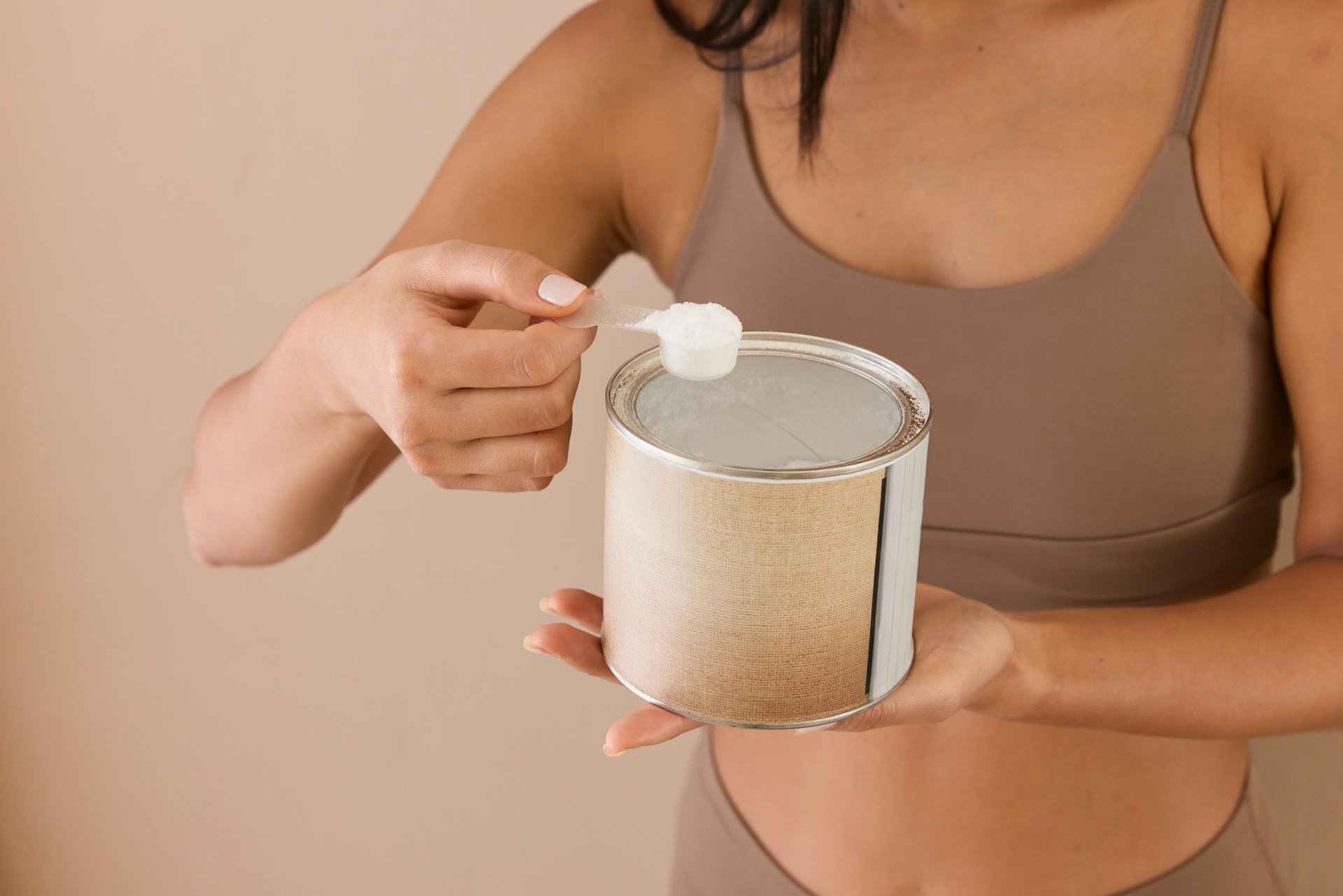
Protein boost tip: Add protein powder to smoothies, oatmeal, or yogurt for an easy 20-25 gram protein boost.
Read: Foods to Avoid During Perimenopause (And What to Eat Instead)
Sample Meal Plan for Perimenopause Muscle Preservation
Day 1
Breakfast (28g protein):
- 2 scrambled eggs with spinach
- 1 slice whole grain toast
- ½ cup Greek yogurt with berries
Lunch (30g protein):
- 4 oz grilled chicken breast
- Quinoa salad with mixed vegetables
- Side of almonds
Dinner (32g protein):
- 4 oz baked salmon
- Sweet potato
- Large mixed green salad with olive oil dressing
Snack (12g protein):
- Protein smoothie or cottage cheese with fruit
Total: ~102g protein
Read: The Ultimate Perimenopause Diet Plan: 12 Essential Nutrients
Common Mistakes That Sabotage Muscle Preservation
Mistake 1: Not Eating Enough Protein at Breakfast
Many women consume most of their protein at dinner, but spreading protein evenly throughout the day is more effective for muscle protein synthesis.
Fix: Aim for 25-30 grams of protein at breakfast with eggs, Greek yogurt, or protein smoothies.
Mistake 2: Doing Only Cardio
While cardio is important for heart health, it doesn't build muscle the way resistance training does.
Fix: Prioritize strength training 2-3 times per week, then add cardio around it.
Mistake 3: Using Weights That Are Too Light
If you can easily do 15+ reps without feeling challenged, your weights are likely too light to stimulate muscle growth.
Fix: Choose weights where the last 2-3 reps of each set feel challenging but doable with good form.
Mistake 4: Not Allowing Recovery Time
Muscles grow during rest, not during workouts. Overtraining can actually increase muscle breakdown.
Fix: Allow 48 hours between strength training sessions targeting the same muscle groups.
Mistake 5: Cutting Calories Too Drastically
Severe calorie restriction can accelerate muscle loss, especially during perimenopause.
Fix: Focus on eating adequate protein and nutrients rather than extreme calorie cutting.
Signs Your Muscle Preservation Strategy Is Working
Watch for these positive indicators:
Physical changes:
- Increased strength: lifting heavier weights or doing more reps
- Improved posture and balance
- Clothes fitting differently (tighter in shoulders/arms, looser in waist)
- Visible muscle definition
- Reduced body fat percentage
Functional improvements:
- Daily tasks feel easier (carrying groceries, climbing stairs)
- Better energy levels throughout the day
- Improved athletic performance
- Faster recovery after workouts
- Reduced joint pain
Health markers:
- Stable or increased muscle mass (measured by DEXA scan or InBody)
- Improved bone density
- Better blood sugar control
- Enhanced metabolic rate
- Improved mood and mental clarity
How To Preserve Muscle Mass During Perimenopause: The Bottom Line
You naturally experience muscle loss as you get older, and the rate of muscle loss speeds up significantly when you reach perimenopause due to declining estrogen levels.
There are, however, proven strategies to help you support your evolving body and preserve, even build, muscle mass. A combination of regular strength training (2-3 times per week) and endurance training helps you stay strong. Nourishing your body and muscles with adequate protein (1.2g per kg body weight daily) distributed evenly across meals ensures that you're properly fueled for muscle growth and recovery.
Your action plan:
- Start strength training: Begin with 2 sessions per week, focusing on major muscle groups
- Increase protein intake: Aim for 25-30 grams per meal, distributed throughout the day
- Track your progress: Take measurements, photos, or strength benchmarks every 4 weeks
- Prioritize recovery: Allow 48 hours between training the same muscle groups and get 7-9 hours of sleep
- Be patient and consistent: Muscle building takes time, especially during perimenopause, commit to at least 12 weeks before evaluating results
- Consider professional support: Work with a trainer, nutritionist, or healthcare provider for personalized guidance
With support and determination, you can continue to unlock the power and strength of your body in perimenopause, while setting yourself up for a healthy and thriving post-menopause stage.
Remember: The best exercise program is the one you'll actually stick with. Find activities you enjoy, build a support system, and celebrate small victories along the way. Your body is capable of amazing things at any age.
Frequently Asked Questions About Perimenopause Muscle Loss
Can you build muscle during perimenopause, or only maintain it?
Yes, you absolutely can build new muscle during perimenopause with proper strength training and adequate protein intake. While it may be slightly more challenging than in your younger years due to hormonal changes, research shows that women in perimenopause can gain significant muscle mass with consistent resistance training and nutrition. The key is progressive overload: gradually increasing the weight, reps, or intensity of your workouts over time.
How long does it take to see results from strength training in perimenopause?
Most women notice increased strength within 2-4 weeks of consistent training, though visible muscle changes typically take 8-12 weeks. Measurable increases in muscle mass usually appear after 12-16 weeks of regular strength training combined with adequate protein intake. Remember that building muscle is a gradual process, especially during perimenopause, so consistency matters more than intensity.
Is it too late to start strength training if you've never done it before?
It's never too late to start strength training. In fact, perimenopause is an ideal time to begin because you can proactively combat the accelerated muscle loss that occurs during this transition. Many women start strength training for the first time in their 40s and 50s and see excellent results. Begin with body weight exercises or light resistance bands, focus on proper form, and gradually progress. Consider working with a trainer initially to learn safe, effective techniques.
Can hormone replacement therapy (HRT) help with muscle preservation?
Some research suggests that hormone replacement therapy may help preserve muscle mass during perimenopause by maintaining estrogen levels that support muscle protein synthesis. However, HRT alone won't prevent muscle loss—you still need adequate protein intake and regular strength training. If you're considering HRT, discuss its potential benefits for muscle preservation with your healthcare provider alongside other treatment goals.
What supplements support muscle preservation in perimenopause?
While whole foods should be your primary protein source, certain supplements can help:
- Protein powder (whey, pea, or soy) makes it easier to meet daily protein goals
- Creatine may support muscle strength and recovery
- Vitamin D supports muscle function and bone health
- Omega-3 fatty acids reduce inflammation and may support muscle recovery
Always consult your healthcare provider before starting new supplements, especially if you have health conditions or take medications.
How does sleep affect muscle preservation in perimenopause?
Sleep is crucial for muscle recovery and growth. During deep sleep, your body releases growth hormone, which supports muscle repair and protein synthesis. Poor sleep (common during perimenopause due to night sweats and insomnia) can accelerate muscle loss and impair recovery from strength training. Aim for 7-9 hours of quality sleep by maintaining a cool bedroom, establishing a consistent sleep schedule, and addressing perimenopause sleep disturbances with your doctor.
Read: Perimenopause Insomnia: Why You Can't Sleep & How to Fix It
About the author
Sources
- Isenmann E et al. (2023). Resistance training alters body composition in middle-aged women depending on menopause - A 20-week control trial. BMC Women’s Health. [https://link.springer.com/article/10.1186/s12905-023-02671-y]
- Hansen M. (2017). Female hormones: do they influence muscle and tendon protein metabolism? Proceedings of the Nutrition Society. [https://www.cambridge.org/core/journals/proceedings-of-the-nutrition-society/article/female-hormones-do-they-influence-muscle-and-tendon-protein-metabolism/0D0A155C16C4A640C1C9E6FDAFA973D6]
- British Menopause Society. (2023). Menopause: Nutrition and Weight Gain. [https://thebms.org.uk/wp-content/uploads/2023/06/19-BMS-TfC-Menopause-Nutrition-and-Weight-Gain-JUNE2023-A.pdf].
- Mishra N, et al. (2011). Exercise beyond menopause: Dos and Don’ts. J Midlife Health. [https://pmc.ncbi.nlm.nih.gov/articles/PMC3296386/]
- The Menopause Society. (2025). Midlife Weight Gain. [https://menopause.org/wp-content/uploads/for-women/MenoNote-Weight-Gain.pdf].
- Sims ST, et al. (2023). International society of sports nutrition position stand: nutritional concerns of the female athlete. Journal of the International Society of Sports Nutrition. [https://www.tandfonline.com/doi/full/10.1080/15502783.2023.2204066]
About the Oova Blog:
Our content is developed with a commitment to high editorial standards and reliability. We prioritize referencing reputable sources and sharing where our insights come from. The Oova Blog is intended for informational purposes only and is never a substitute for professional medical advice. Always consult a healthcare provider before making any health decisions.